Three-card tarot spread
Learn how a three-card tarot spread works: Major Arcana uses Reality, Distortion, and Shift instead of vague past-present-future. See example positions, FAQs, and try a free reading online.
Updated
No account needed · Reading in under a minute
A three-card tarot spread is the sweet spot between too little information and cognitive overload. Major Arcana names the positions Reality (what is actually happening), Distortion (what complicates or skews it), and Shift (what changes how you experience the situation) so each card answers a defined part of the story instead of floating as three random keywords.
That is different from autopilot “past, present, future” labels, which often collapse into time-stamped fortune cookies. Here, the third card is not only “the future”—it is what shifts the experience when you engage it honestly.
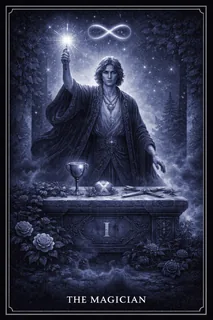
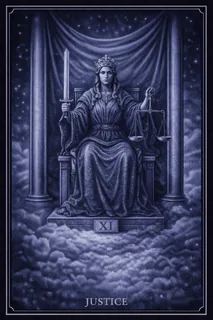
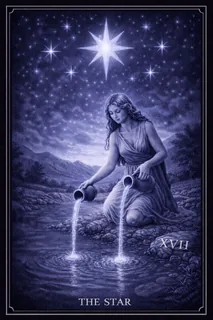
A glimpse at what the cards see
These are illustrative. Yours are drawn for your question.
Common questions
What is a three-card tarot spread?
A layout where three cards each answer a defined question. Major Arcana uses Reality (what is actually happening), Distortion (what complicates or skews it), and Shift (what changes how you experience the situation)—instead of generic past-present-future labels.
Is three-card tarot good for beginners?
Yes. Three positions are easy to hold in memory while still giving enough tension for a real story to emerge.
How is Reality Distortion Shift different from past present future?
Past-present-future implies time alone fixes things. Reality-Distortion-Shift names psychology: the present field, the narrative or fear bending it, and the lever you can pull today.
Can I try this spread free?
Yes—Major Arcana's free tier is a full three-card reading with follow-up and summary; no account required.
Ready for your own?
Ask a real question. Get a free 3-card reading in plain words. No account needed.
Start my reading